


Prison Breakout!
4.4341.00 Reviews
App Specs
- Version
- 2.11.2
- Updated On
- License
- Free
- Downloads
- 1,000,000+
- Developer
- Yamy Studio
- Categories
- Role Playing
- Platform
- Android, iOS
Screenshots
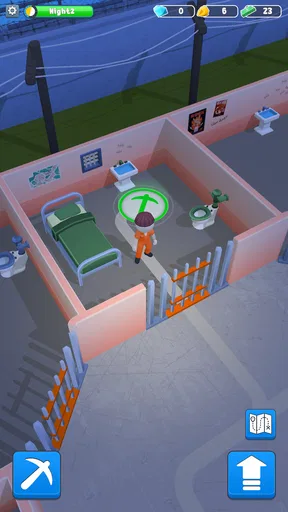
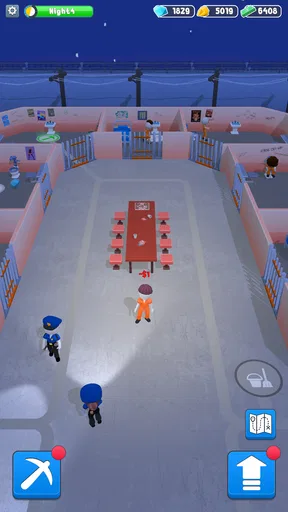
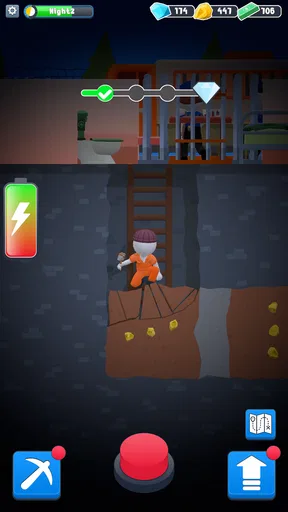
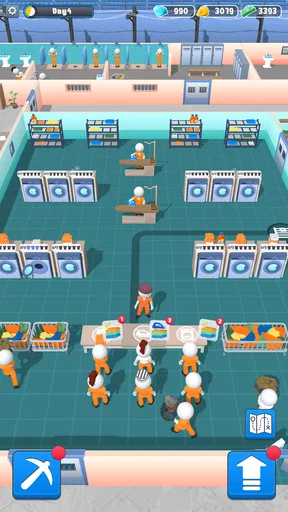
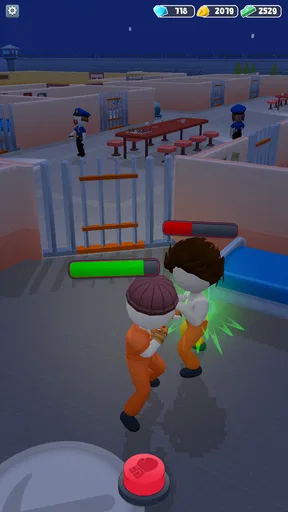
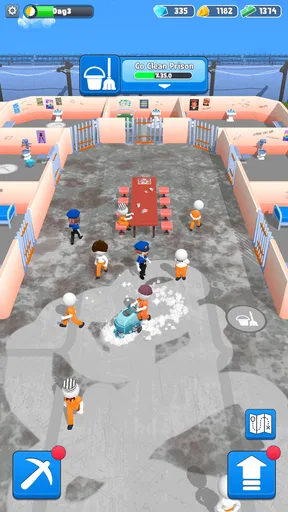
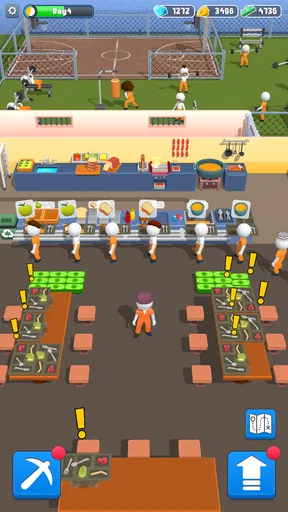
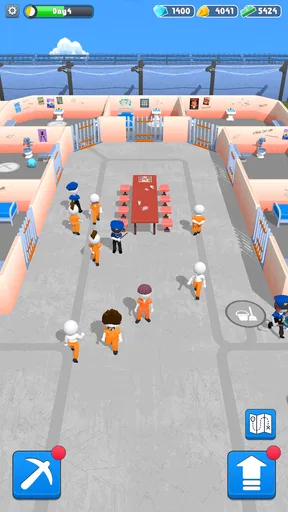
 Analysis by AppCompare
I’d choose Prison Breakout! when I want a mobile game with one clear problem to solve, rather than a sprawling world to explore. Its prison-escape premise gives the role-playing game a focused direction: prepare, make decisions, and work toward getting out. I find that kind of contained goal appealing in a short session, especially when I want to think through my next move instead of tracking a long quest line.
Who will enjoy this kind of escape challenge
This is a better match for patient players than for people looking for a quick burst of reflex-driven action. If you enjoy noticing what a game teaches you, adjusting your approach, and trying again with a more deliberate plan, the premise has room to engage you. I would be less likely to recommend it to someone who needs a large cast, a branching story, or constant novelty from a role-playing game.
It can work well as a casual pick-up game, but I would not treat every spare minute as an ideal time to start. Imagine waiting for a ride with a few minutes available: I’d use that time to review what I learned in the previous attempt or make one small test, rather than beginning a sequence I might have to abandon. That distinction matters because interruptions can make a planning game feel more confusing than it really is.
Compared with many mobile RPGs, this one puts the escape objective ahead of character collecting or a broad campaign. Compared with a conventional puzzle game, its prison-break framing gives the decisions a role-playing context. Neither comparison makes it a replacement for those genres: I’d pick a story-led RPG for character development, and an action game for immediate movement and reactions. The appeal here is narrower, and that focus is the point.
From first moves to a repeatable escape routine
I find it useful to think of a session as a small experiment: begin with one clear goal, notice which choices move things forward, and carry that lesson into the next attempt. That keeps the escape challenge manageable even when I have to pause, and it gives me a practical way to tell whether I’m learning or simply repeating actions. Next, I’d make sure the game feels comfortable to play before settling into that routine.
Start by learning the rhythm, not rushing the exit
My first piece of advice is to treat an early attempt as a chance to understand the game’s pace. The basic idea is straightforward, but a breakout is more engaging when you consider what to do before making a move. If you rush toward the apparent objective without learning how the game expects you to prepare, you may turn a promising run into a frustrating one. I’d use the opening play to notice which actions are available and how the game responds, then apply that knowledge on the next attempt.
That approach also helps set expectations. This is a focused prison-break adventure, not a general-purpose role-playing game where character dialogue, a huge world, or party building is the main attraction. The escape itself is the organizing idea. If you enjoy working toward a concrete outcome and adjusting your plan as you go, that focus is a strength. If you want a story-heavy RPG with extensive character development, you may find the premise too narrow.
Worth Reading Before You Choose

Flipboard Shows What News Apps Must Do Beyond the Feed

Switching to Android Auto Means Rethinking Your Driving Routine

Google Calendar Makes a Crowded Week Easier to Manage

Ludo King Makes the Most of the Minutes Between Plans

Baby Panda World Brings Quick Play to Modern Phones, but Its Game Library Feels Busy

ESPN’s Live Game View Makes Following Close Games Easier
When I play a game organized around escape planning, I try to keep each decision purposeful: identify what seems necessary, avoid spending effort on distractions, and take a moment to reconsider when progress stalls. That is a useful habit here because the theme invites planning rather than blind tapping. It also makes a failed run more informative. Instead of repeating every action, change one part of the approach and see whether it improves your progress.
Make a small routine out of each session
A practical routine is more useful than trying to master everything at once. I’d begin by checking the immediate objective, then explore the actions the game presents before committing to a longer sequence. After that, keep track mentally of what has already worked. This simple loop—inspect, act, reassess—helps prevent aimless play, especially if you return after a break and no longer remember your last plan.
For an everyday scenario, imagine having a few minutes free while waiting for a coffee or a ride. A focused escape game can fit that pause better than an RPG that depends on a long uninterrupted story session. I would still avoid starting a run when I know I’ll have to stop immediately: a planning game is more enjoyable when I can finish a short sequence and remember what I learned. If I do need to leave, I’d make a mental note of the next thing to try rather than restarting without a plan.
That repeatable approach is especially helpful for players who like to improve through observation. Don’t assume that a failed attempt means the game is unfair; first ask whether you skipped a preparation step or made a choice without understanding its consequence. At the same time, if several attempts feel like repeating the same chores rather than discovering a better route, that is a fair sign the game’s loop may not be for you.
Check the practical details before settling in
Prison Breakout! is a free role-playing game from Yamy Studio. It has a 4.4 average from around 20,000 ratings and has passed one million installs, so there is a sizable audience for this kind of compact escape premise. It is rated Teen, which is worth keeping in mind when choosing a game for a younger player. The game was released on October 4, 2024, and version 2.11.2 is the current version.
Free to download does not mean every possible purchase is free. In-app purchases range from $0.99 to $39.99 per item, so I’d check the purchase prompts carefully and decide in advance whether I’m comfortable spending anything. If I’m installing it for a child, I’d also review the device’s purchase controls rather than relying on the game’s price alone. That is a sensible precaution for any free mobile game with optional paid items.
The listed minimum operating system is version 8.0. Before installing, I’d check that the device meets that requirement and has enough room for another game. Those are mundane checks, but they prevent the avoidable disappointment of trying to install a game on an unsupported device. The game’s simple central premise makes it easy to understand what you’re signing up for; the more important question is whether you enjoy planning your way through a contained challenge.
Settings are worth a quick look, not a guessing game
I wouldn’t assume that a particular control scheme, accessibility option, or shortcut exists without seeing it in the game. Instead, spend a minute in the available settings before beginning a serious attempt. Look for any options that affect sound, controls, or display and adjust only what is actually present. That small check can make a mobile session more comfortable, especially if you are playing in a quiet place or using a smaller screen.
It’s also worth distinguishing settings from strategy. Changing a preference may make the game more comfortable, but it won’t automatically make an escape plan better. If you’re stuck, return to the sequence of decisions you made and look for a step you can test differently. This avoids the common trap of hunting through menus for a solution when the useful change is in how you approach the challenge.
I’d keep the first session relatively conservative: use familiar device controls, avoid changing several options at once, and notice whether the game feels easier to read after each adjustment. If a setting makes the screen or interaction less comfortable, undo it. A good mobile setup should help you focus on the escape, not create another problem to manage.
Get faster by reusing what you learn
The most reliable way to become more efficient is to stop treating every attempt as completely new. When an action produces a useful result, remember it. When it wastes time, don’t repeat it automatically. This isn’t a claim that the game has a hidden shortcut system; it’s simply a better way to play a planning challenge. A short mental checklist—what I know, what I still need to test, and what I should avoid repeating—can make the next session feel purposeful.
One trade-off is that careful play can be slower at first. Players who prefer immediate action may find it tempting to tap through every available option. I’d resist that urge. Deliberate choices make it easier to identify why a run succeeds or fails, while random experimentation can blur the lesson. If you enjoy puzzle-like problem solving, that measured pace is satisfying. If you mainly want fast reflexes and constant action, a conventional arcade game may be a better fit.
It can also help to stop after a clear learning moment. If you have just discovered that a particular approach is unproductive, there is little value in continuing to repeat it while tired or distracted. Put the game down, then return with a revised plan. That is a small habit, but it makes a difference in games where remembering cause and effect is more rewarding than simply playing for a long stretch.
Where the format can wear thin
The same focus that gives Prison Breakout! its identity also limits its appeal. A prison escape is a strong setup, but it may feel repetitive if you want a broad range of settings or a deep character-driven plot. The game is best approached as a compact role-playing challenge centered on getting out, rather than as a substitute for a large open-world RPG. I would skip it if variety of story, extensive world exploration, or a long narrative arc is essential to your idea of role-playing.
There is also a patience factor. Planning and testing can be rewarding, but repeated setbacks may feel like friction if you prefer a game that clearly guides every step. I would give it a fair try with a deliberate routine, but I wouldn’t force myself through a loop that stops being interesting. A more action-oriented escape game is likely a better choice for someone who wants quick reactions; a story-focused RPG is better for someone who wants characters and narrative to take center stage.
Optional purchases are another reason to be intentional. The game costs nothing to start, but items can be purchased in different price tiers. I’d enjoy the free experience first and only consider spending if I understand what an item offers and know it suits how I play. That keeps the decision grounded in personal value instead of making a purchase just because progress feels slow.
A good fit for planners, with a clear boundary
With more than 340 written reviews and its broad install base, Prison Breakout! has found an audience, though those figures alone can’t tell you whether its particular loop will click for you. My recommendation is based on the kind of player it seems designed to serve: someone who likes a clear escape objective, learns from attempts, and enjoys choosing a more efficient approach the next time. The role-playing label matters less here than the pleasure of planning and adapting.
For a first session, I’d check the settings, learn the available actions, and avoid racing toward an outcome before I understand the routine. In later sessions, I’d repeat the steps that proved useful and change one decision at a time when progress stalls. That gives the game a fair chance without turning it into a grind. If that style sounds appealing, the free download makes it easy to see whether the escape-planning rhythm suits you; if you want a sprawling RPG or nonstop action, I’d choose something built around those priorities instead.
My verdict: Prison Breakout! is most enjoyable when I treat it as a focused planning game rather than a grand role-playing epic. Its central escape premise gives short sessions a clear purpose, and a little patience can make each attempt more informative. I’d recommend it to curious, methodical players who enjoy refining a plan, while warning action-first players that the deliberate rhythm may not be their thing.
Pros
- Simple controls make it easy to get started.
- Short levels suit quick play sessions.
- Escape-focused objectives give each stage a clear goal.
- The prison setting creates a tense atmosphere.
- Progression offers a reason to tackle later levels.
Cons
- Gameplay may feel repetitive after several stages.
- Some puzzles can be difficult to solve without trial and error.
- Ads may interrupt the flow of play.
- Limited variety in environments can make levels feel alike.
- Later stages may be frustrating for casual players.
FAQs for Prison Breakout!
What is Prison Breakout! about?
Prison Breakout! is a prison-escape game built around planning a route out while dealing with the obstacles and people in your way. The central appeal is its escape scenario: you explore, make choices, and work through challenges rather than simply following a conventional action-game storyline. Exact objectives and mechanics can vary by version, so check the store listing and in-game instructions to see what the current release includes.
Is Prison Breakout! free to download, and does it include purchases or ads?
The price, advertising, and optional purchases depend on the edition and the store where you download Prison Breakout!. A game may be free to install while offering in-app purchases, showing advertisements, or placing some content behind a payment. Before downloading, review the current Google Play or App Store listing for pricing and purchase details. If you are concerned about accidental spending, use your device’s purchase controls or parental settings.
Can I play Prison Breakout! offline?
Offline availability is not guaranteed and may depend on the version, device, or features you want to use. Some games allow their main levels to run without an internet connection but require connectivity for ads, rewards, updates, or other online features. Check the store description and try the game after installation with your connection disabled if offline play matters to you. Download updates over Wi-Fi where possible.
Which devices can run Prison Breakout!, and how much space does it need?
Compatibility and storage requirements can change as Prison Breakout! receives updates, so there is no single requirement that applies to every phone or tablet. Check the app’s current store page for supported operating-system versions, device compatibility, and download size. Leave extra free space for installation and future updates, and make sure your device software is up to date. Older or lower-powered devices may experience slower performance.
Is Prison Breakout! suitable for children, and what permissions should I review?
Suitability depends on the game’s current content and the age rating shown in your region. Read the Google Play or App Store rating and content disclosures before letting a child play, and consider whether the escape theme, advertisements, or optional purchases are appropriate. Also review the permissions requested during installation or use; a game generally should not need access unrelated to its features. Use parental controls if needed.


